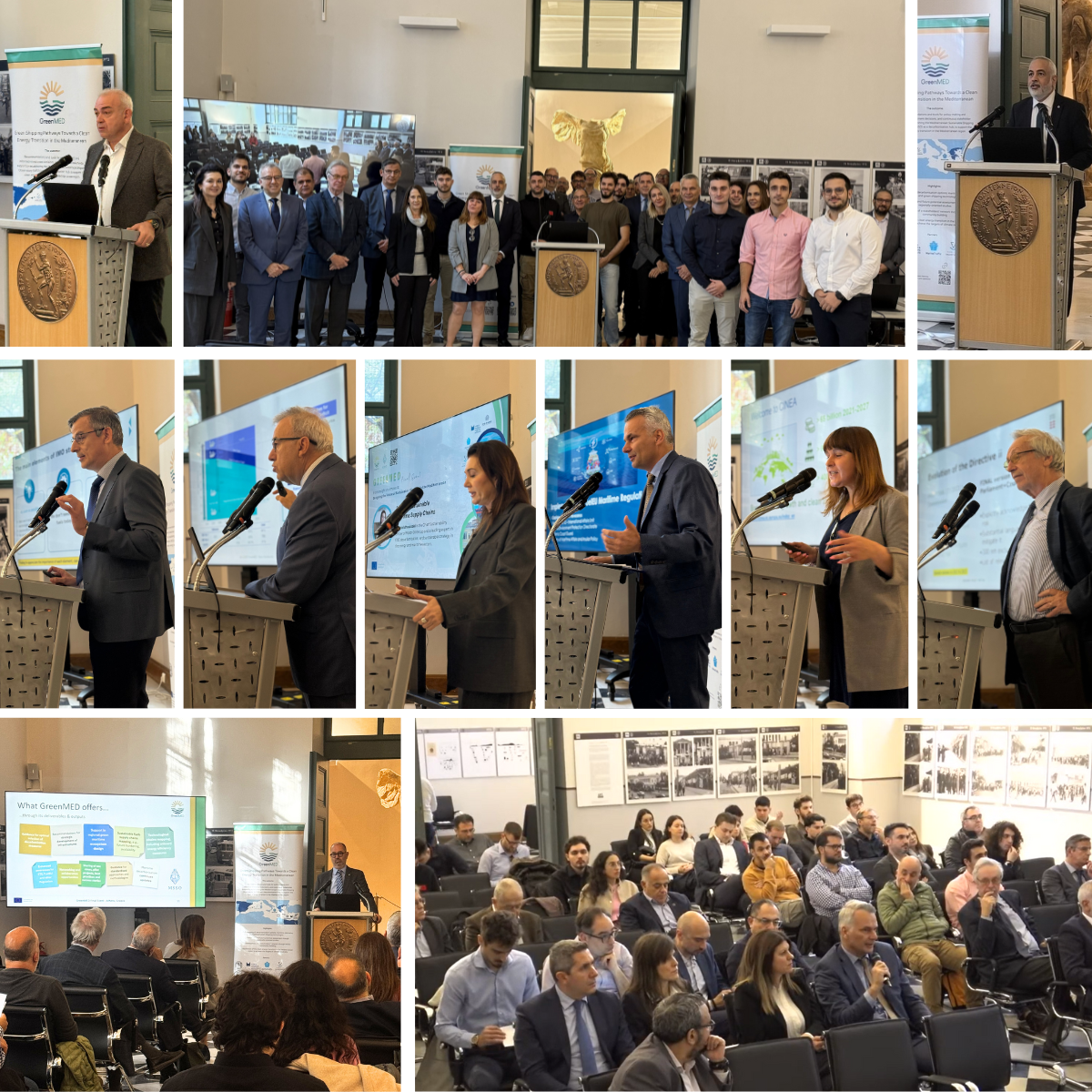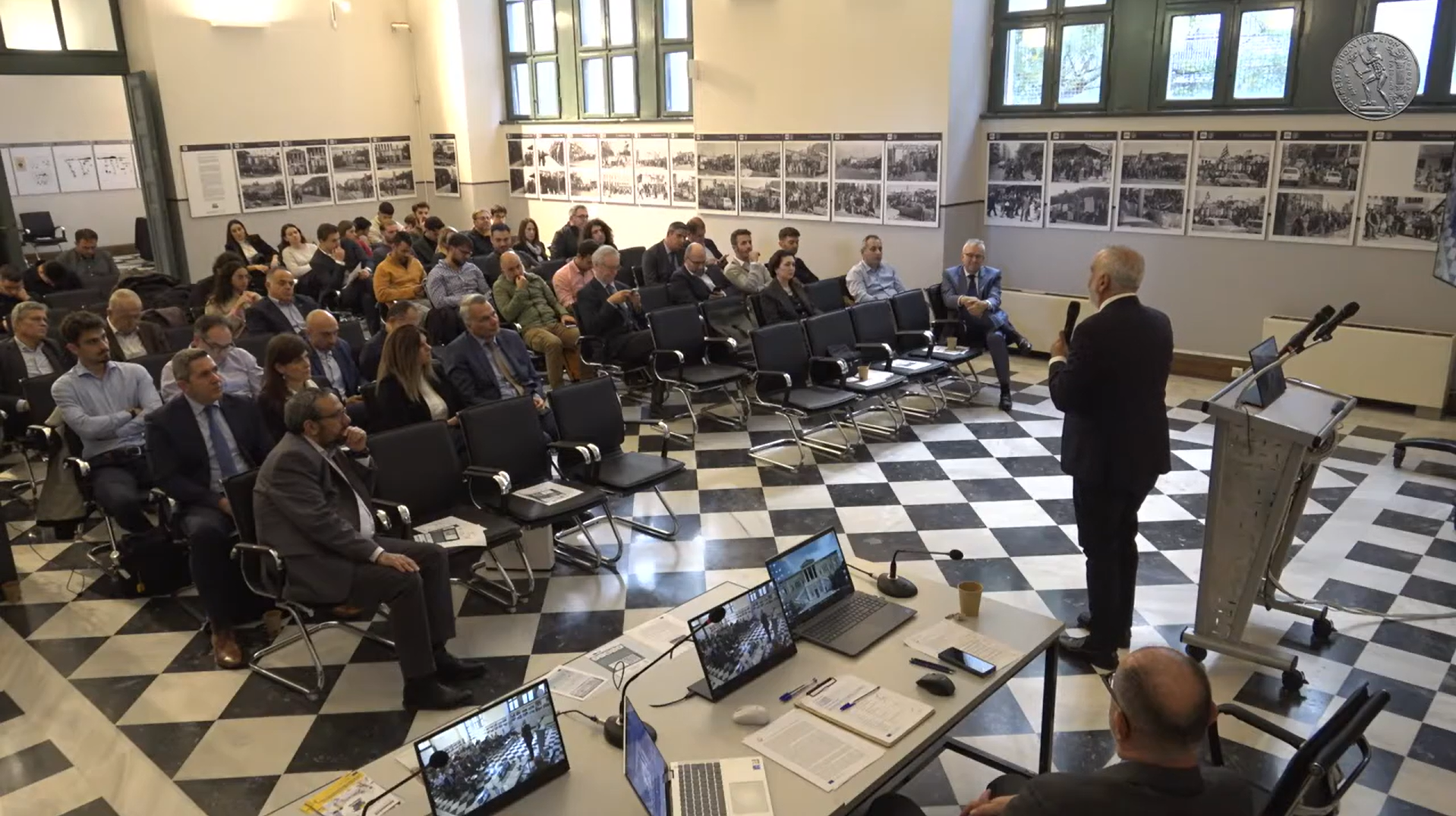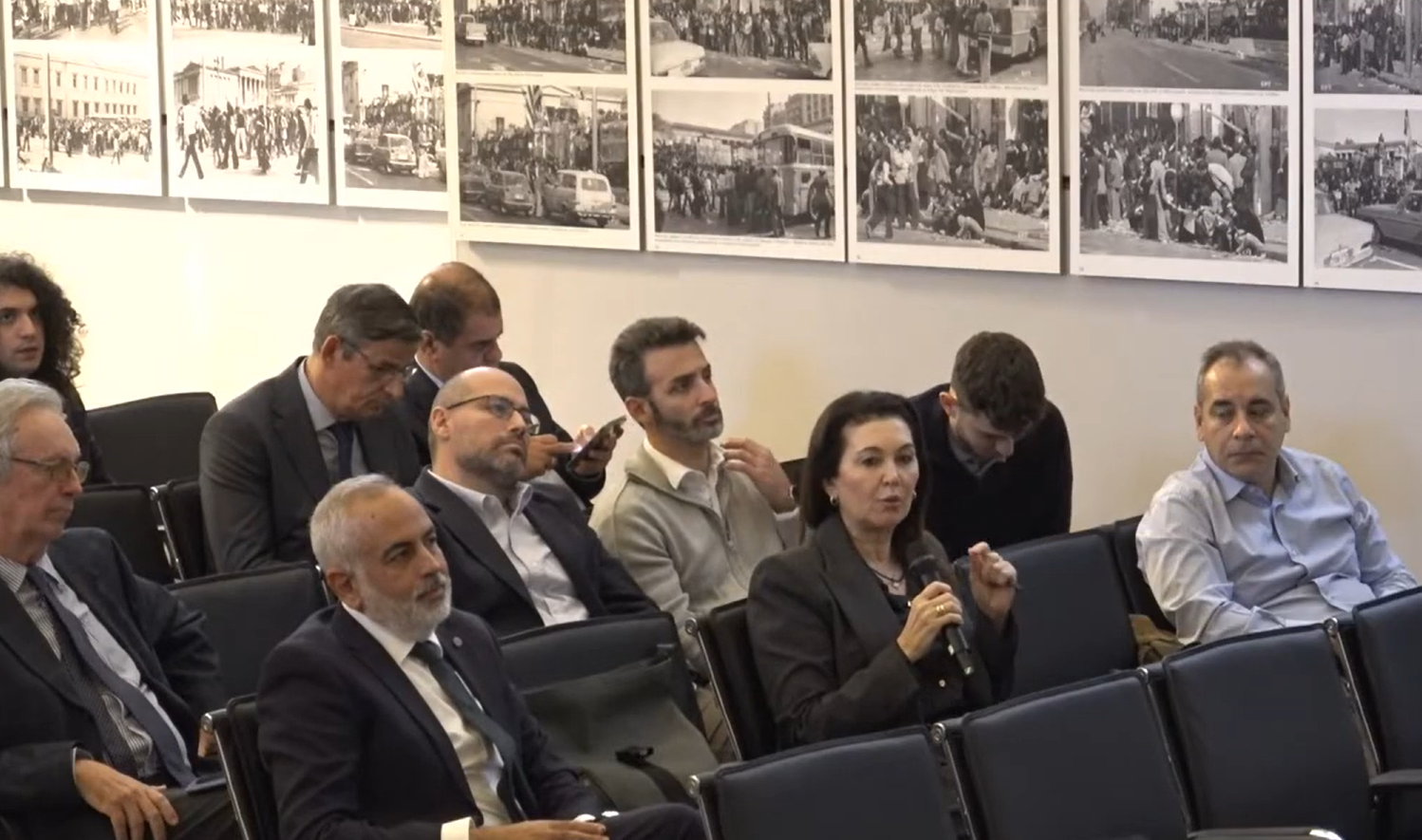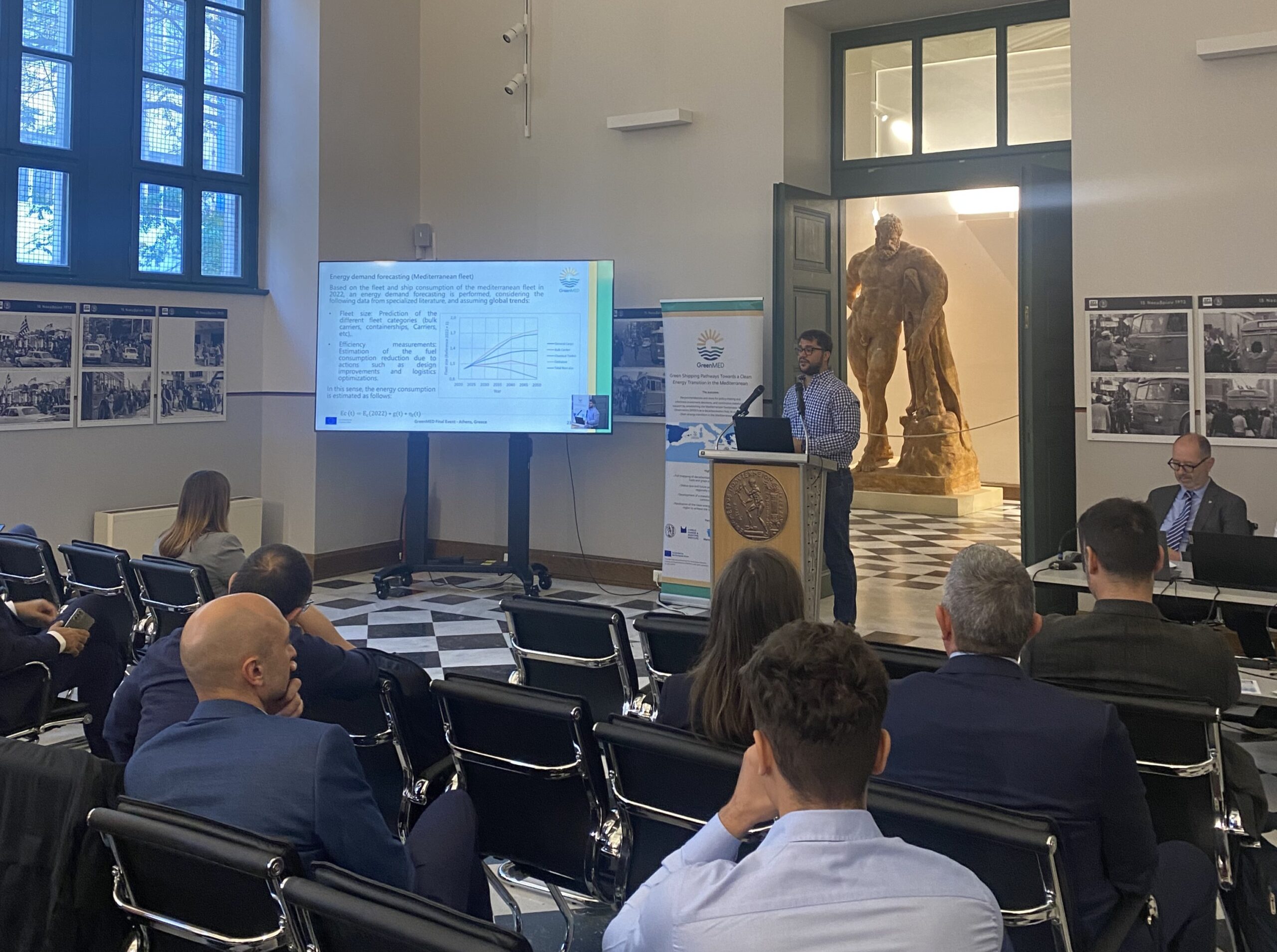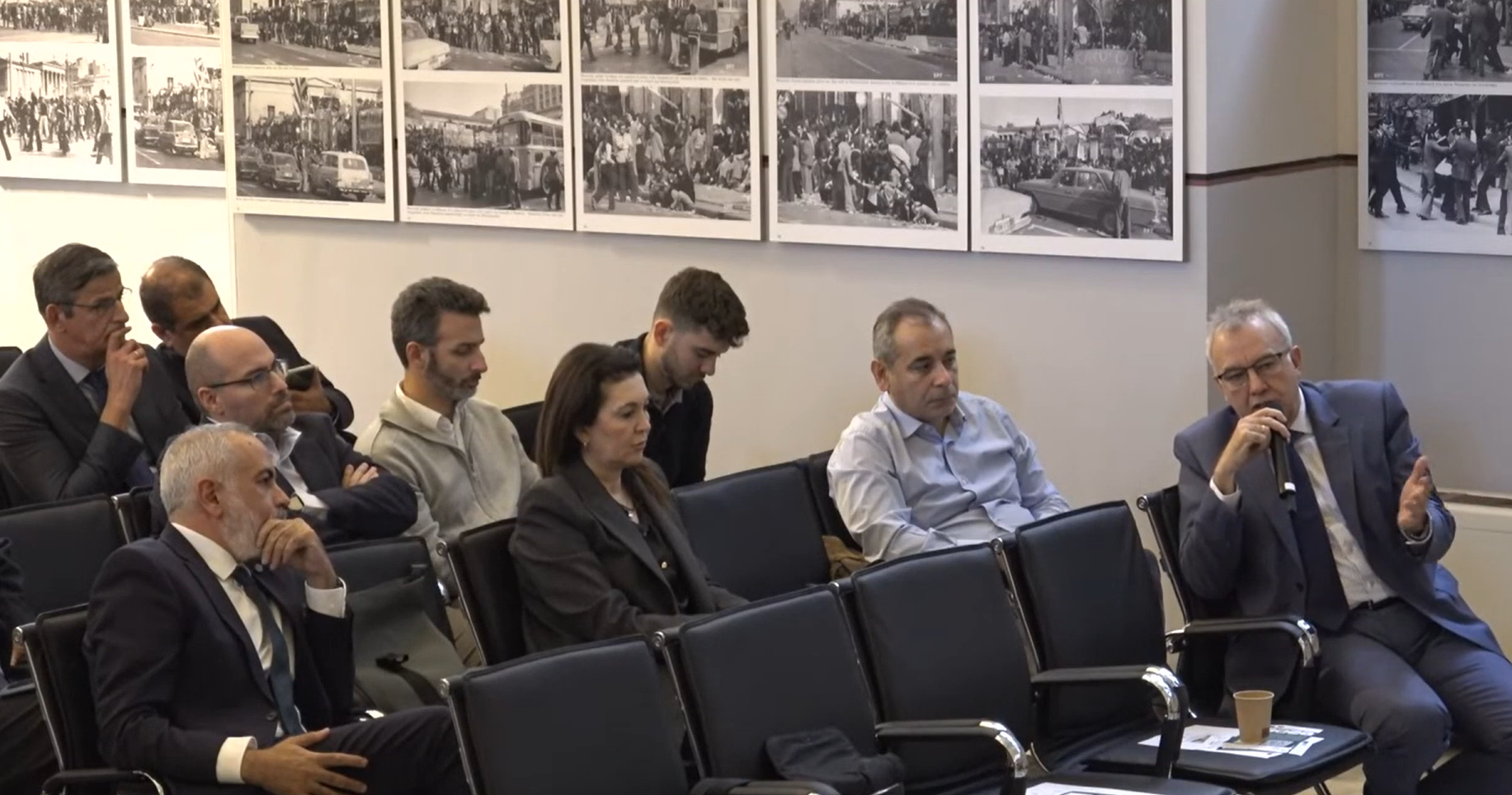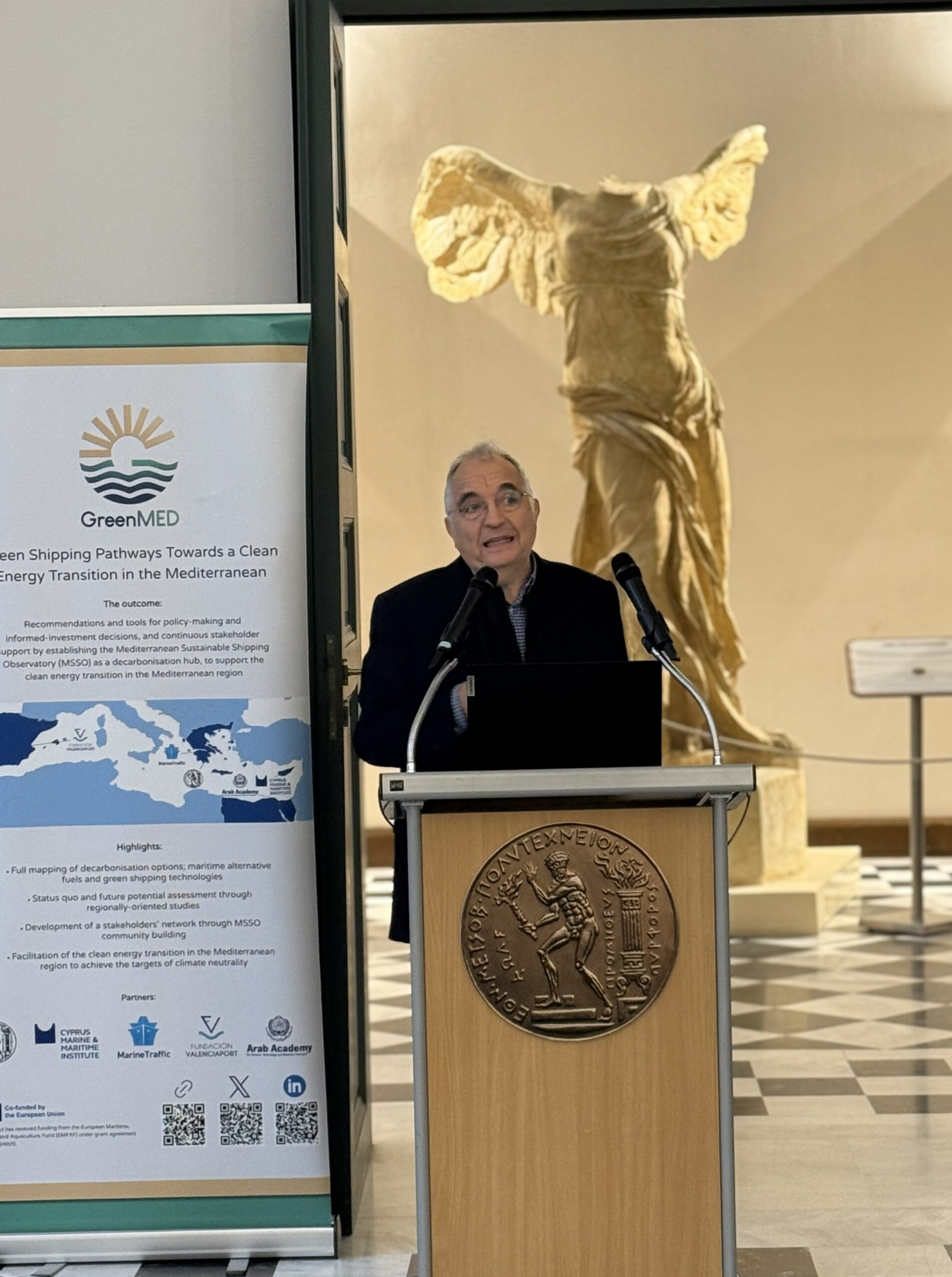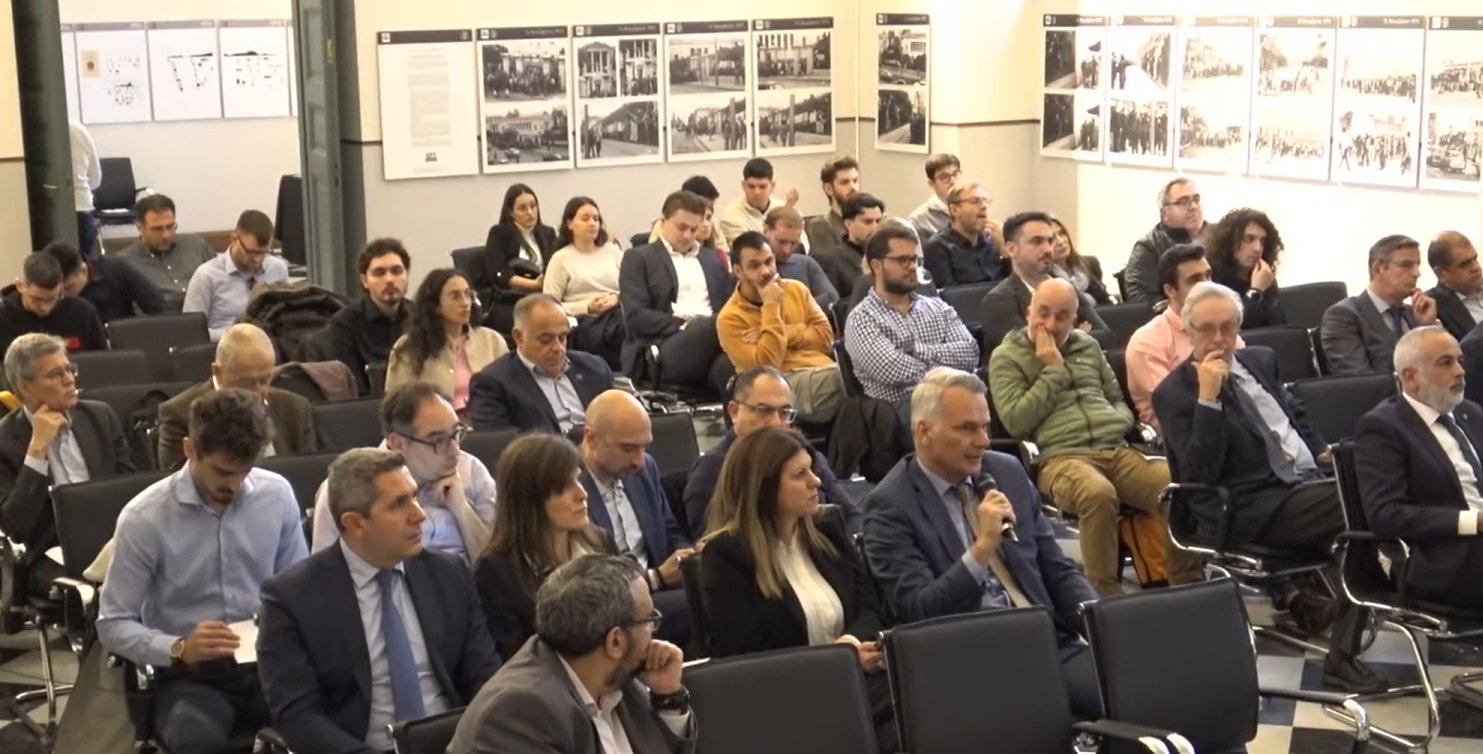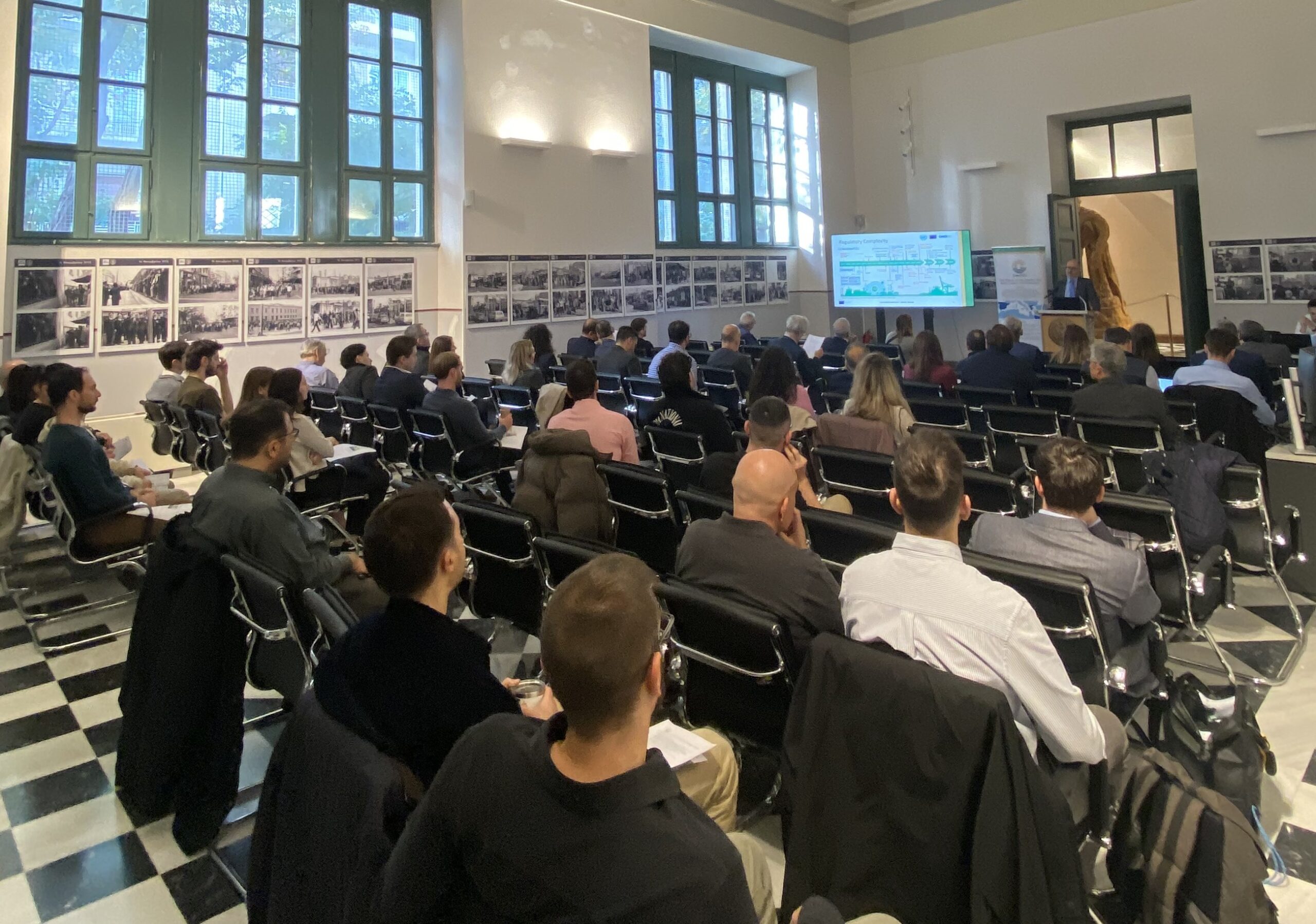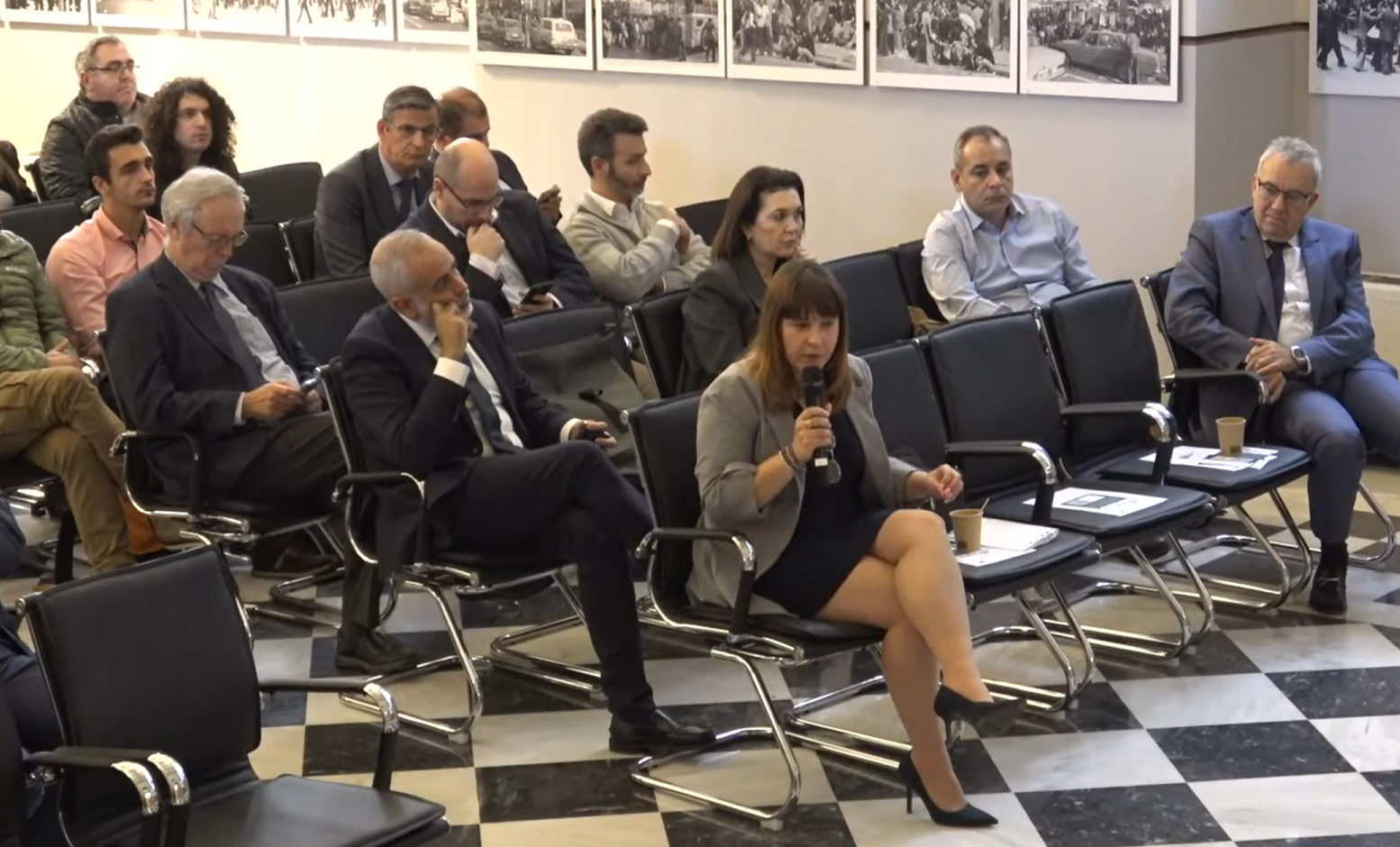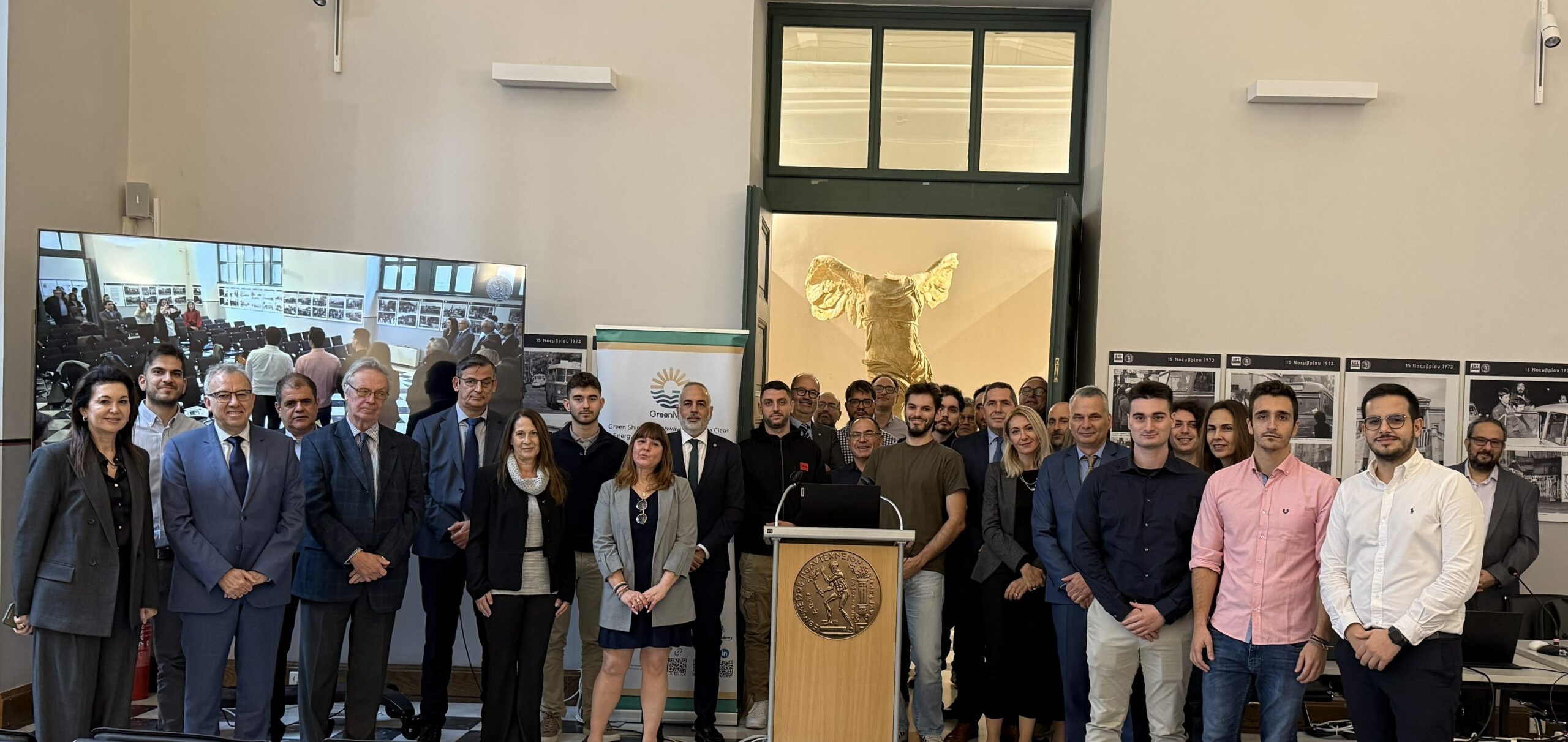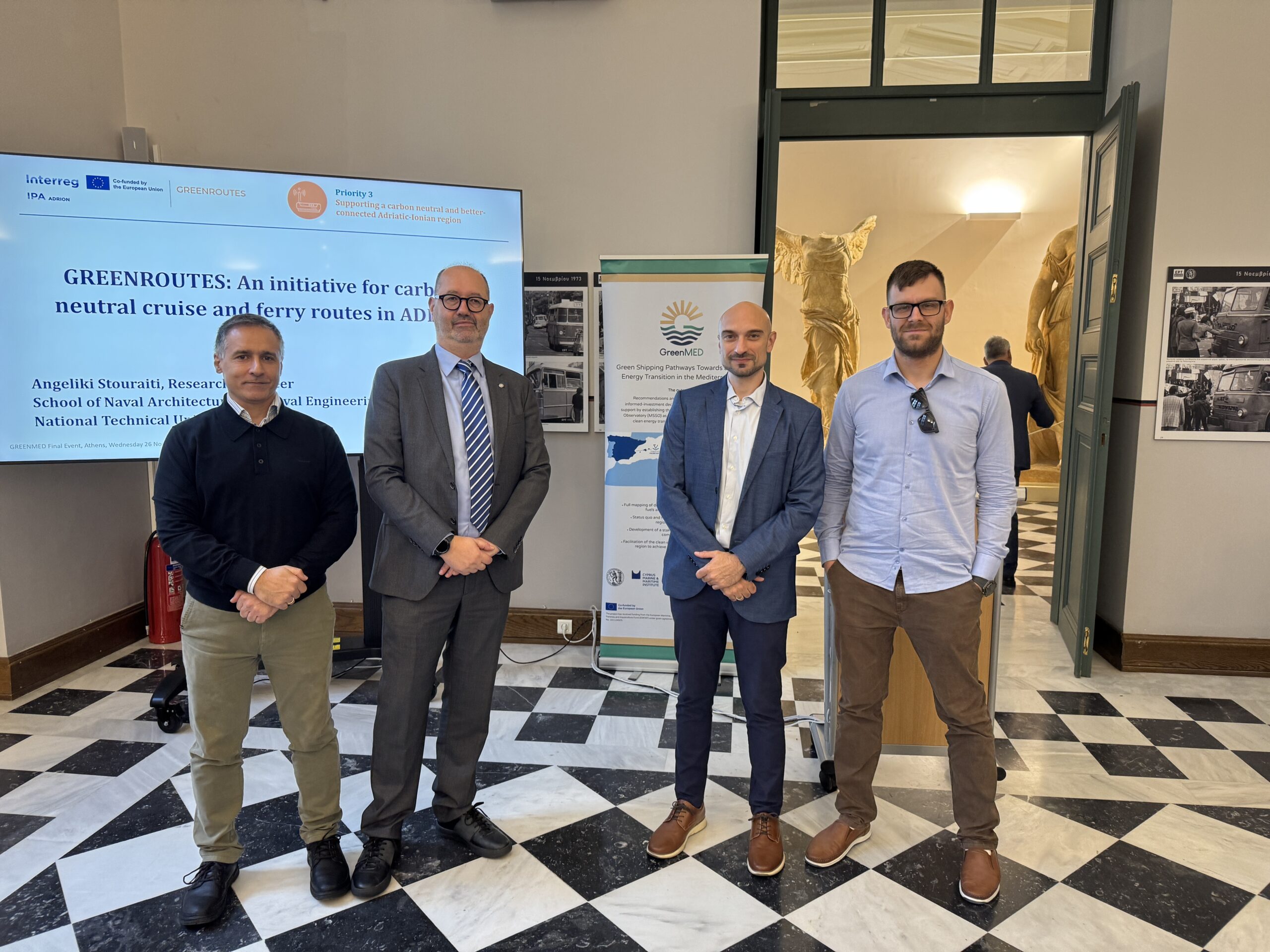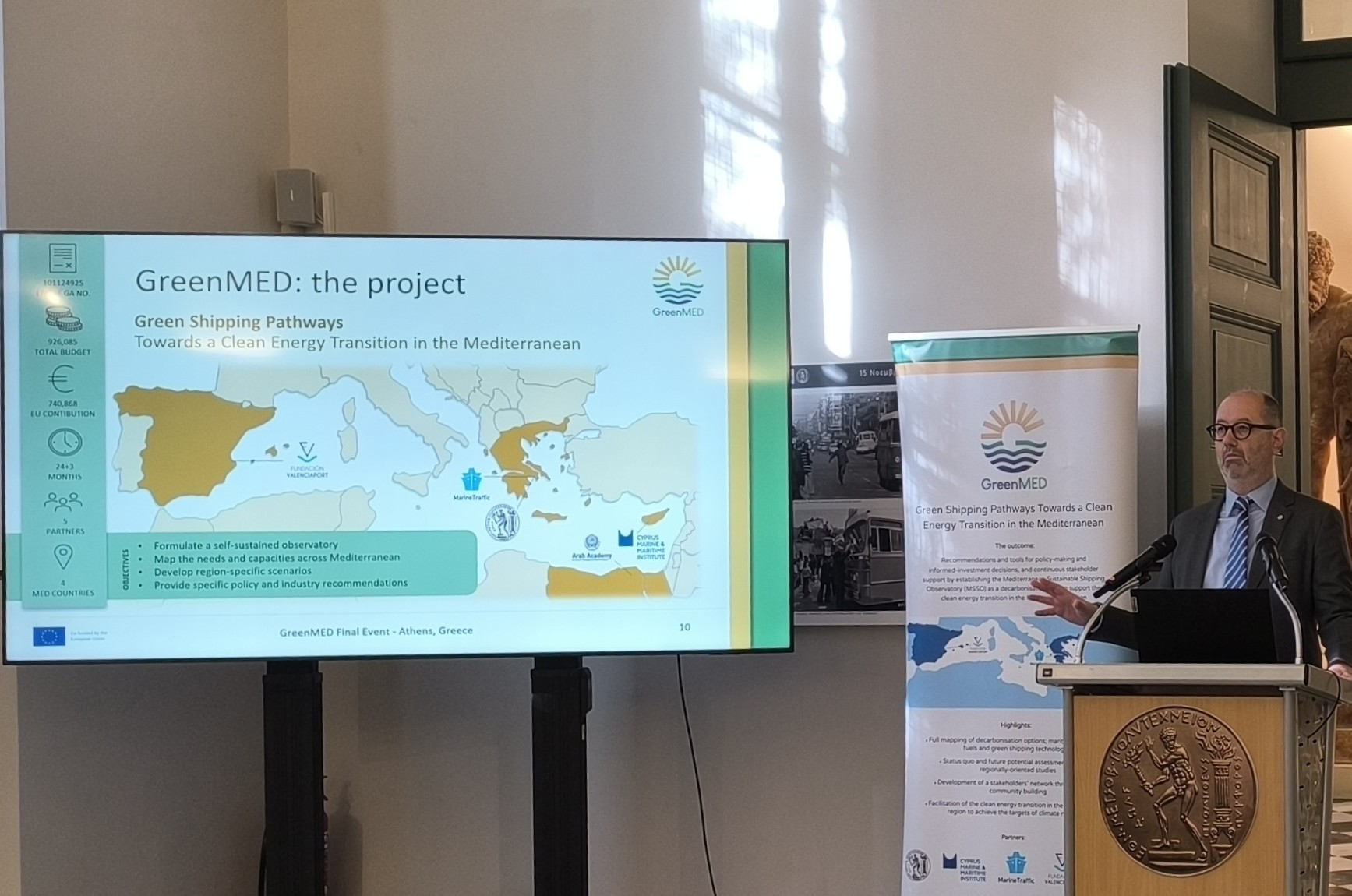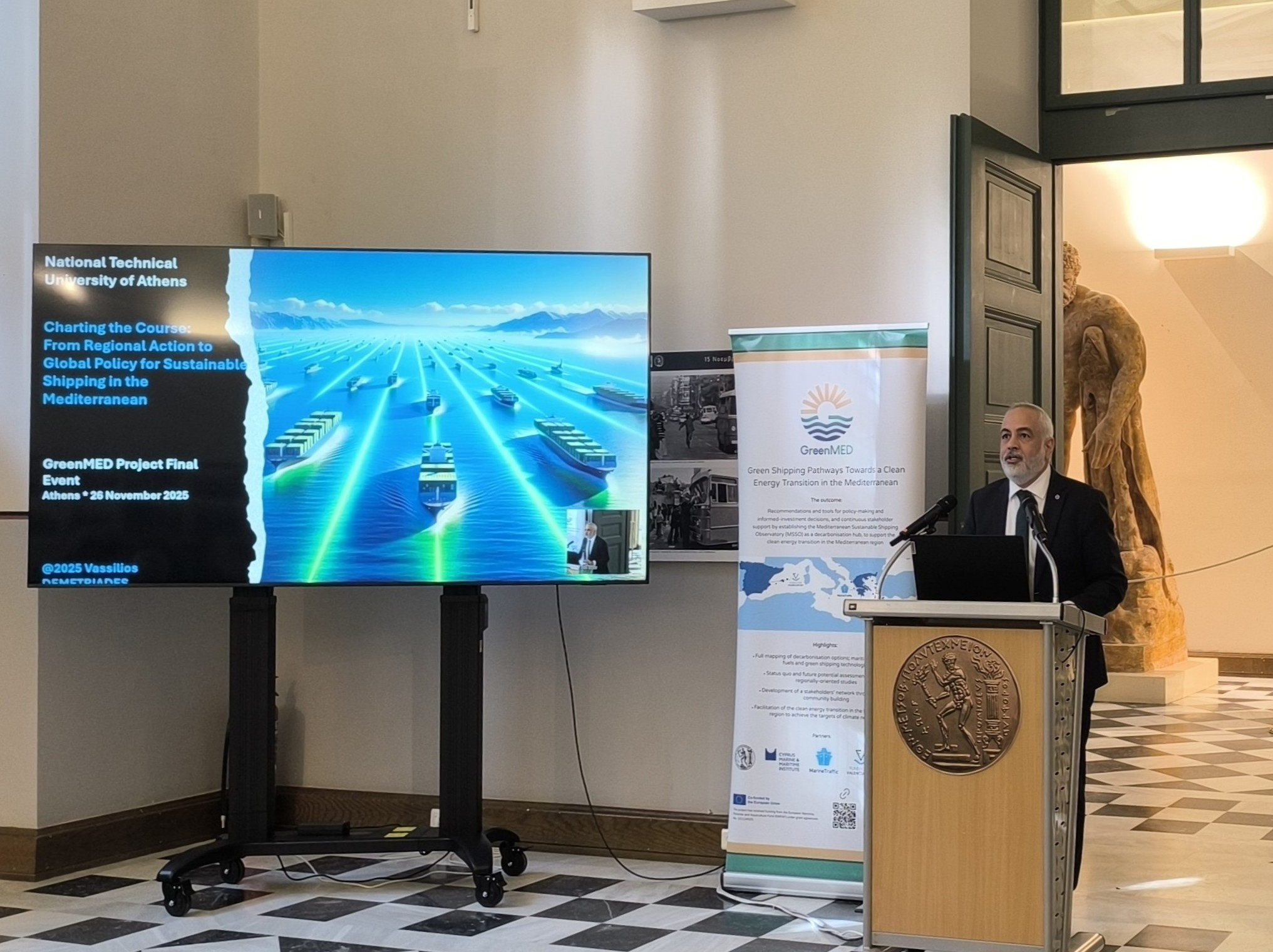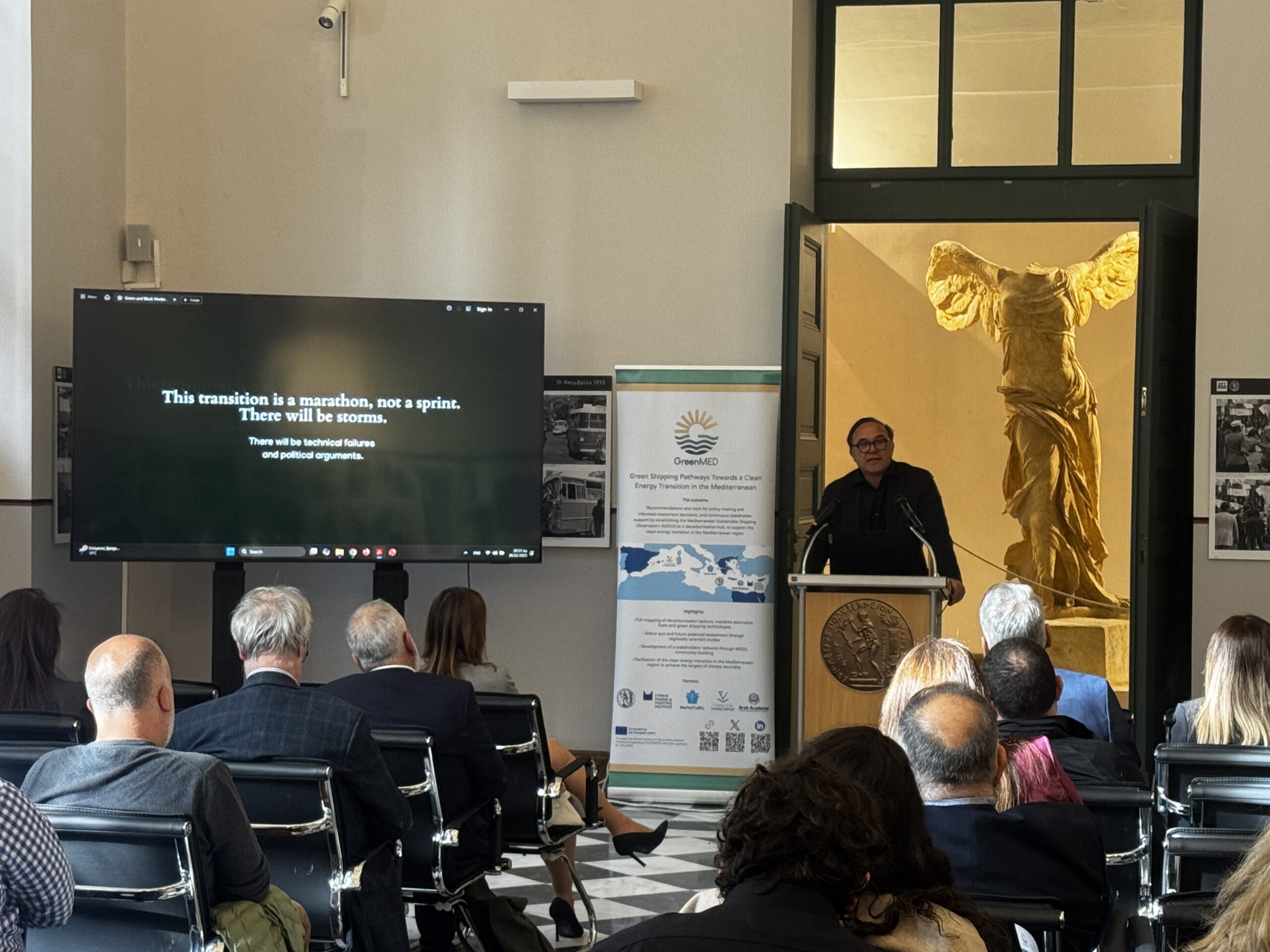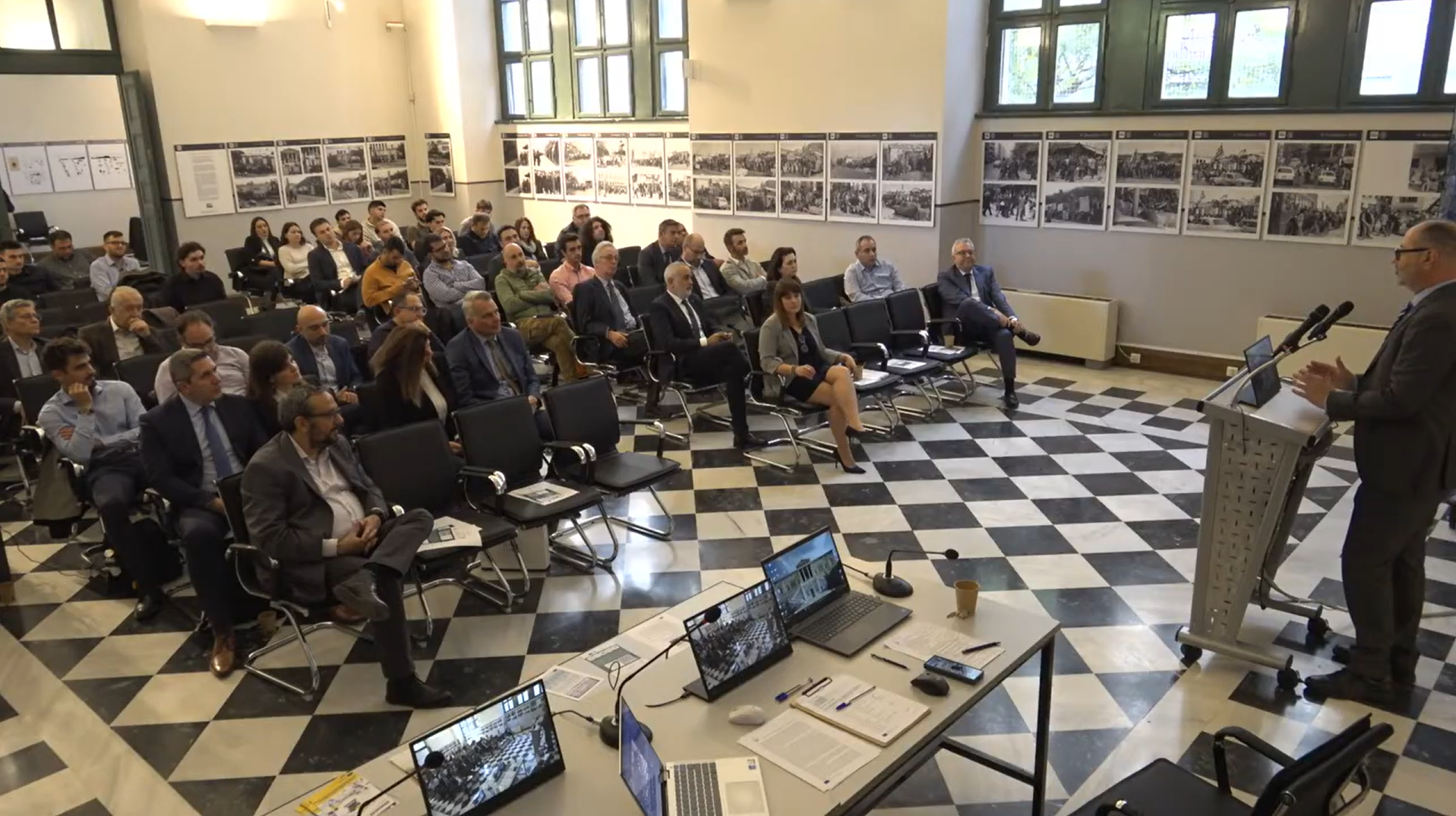
The GreenMED Final Event, held in Athens on 26 November 2025, in the historic premises of National Technical University of Athens, marked the culmination of a comprehensive 2-year effort to deliver green shipping pathways for the Mediterranean. In his opening address, Prof. Nikolaos P. Ventikos introduced the project’s vision and outcomes, outlining the integrated methodological framework developed by GreenMED. He highlighted the scientific basis behind the project’s studies, fuel and energy demand analyses, supply chain and port-focused mappings, including foresights and cost–benefit modelling. Central to this introduction was the Mediterranean Sustainable Shipping Observatory (MSSO)—a decarbonisation hub for the Eastern and wider Mediterranean region—and its platform and tools, designed to support decision-making by enabling stakeholders to explore decarbonisation options and identify industry gaps, under evolving market and policy conditions.
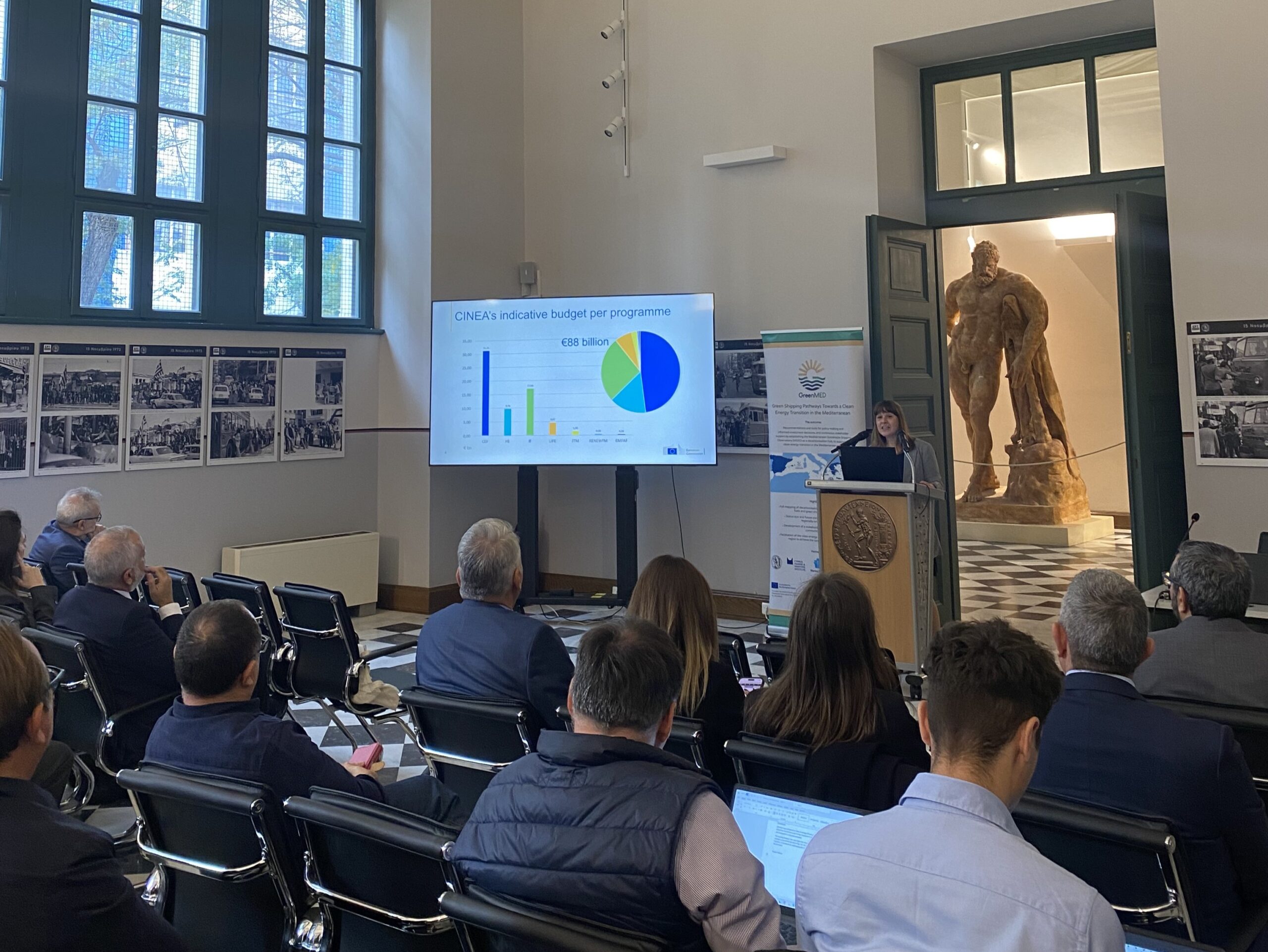
Session I brought together institutional perspectives on the regulatory and financial landscape. Mr. Vassilios Demetriades provided a strategic view on the EU’s role in steering maritime decarbonisation, emphasising the need for coordinated regional action and evidence-based planning to reduce political risks. Mr. Petros Kokkalis underlined that while policies alone cannot reduce emissions, they serve as essential enablers for future-proofing the maritime sector, calling for integrated solutions bridging legislation with real-world implementation. Capt. Dionysis Prevezanos presented the practical dimensions of the FuelEU Maritime Regulation and its implementation, particularly in Greece. Dr. Gema San Bruno Feio offered insights into EU funding opportunities, highlighting mechanisms that can accelerate alternative fuel uptake and infrastructure readiness across Mediterranean ports. Together, the speakers stressed that Mediterranean shipping decarbonisation requires cross-border coordination, targeted investments, and harmonised regulatory interpretation—especially in a region where EU and non-EU ports coexist in close proximity.
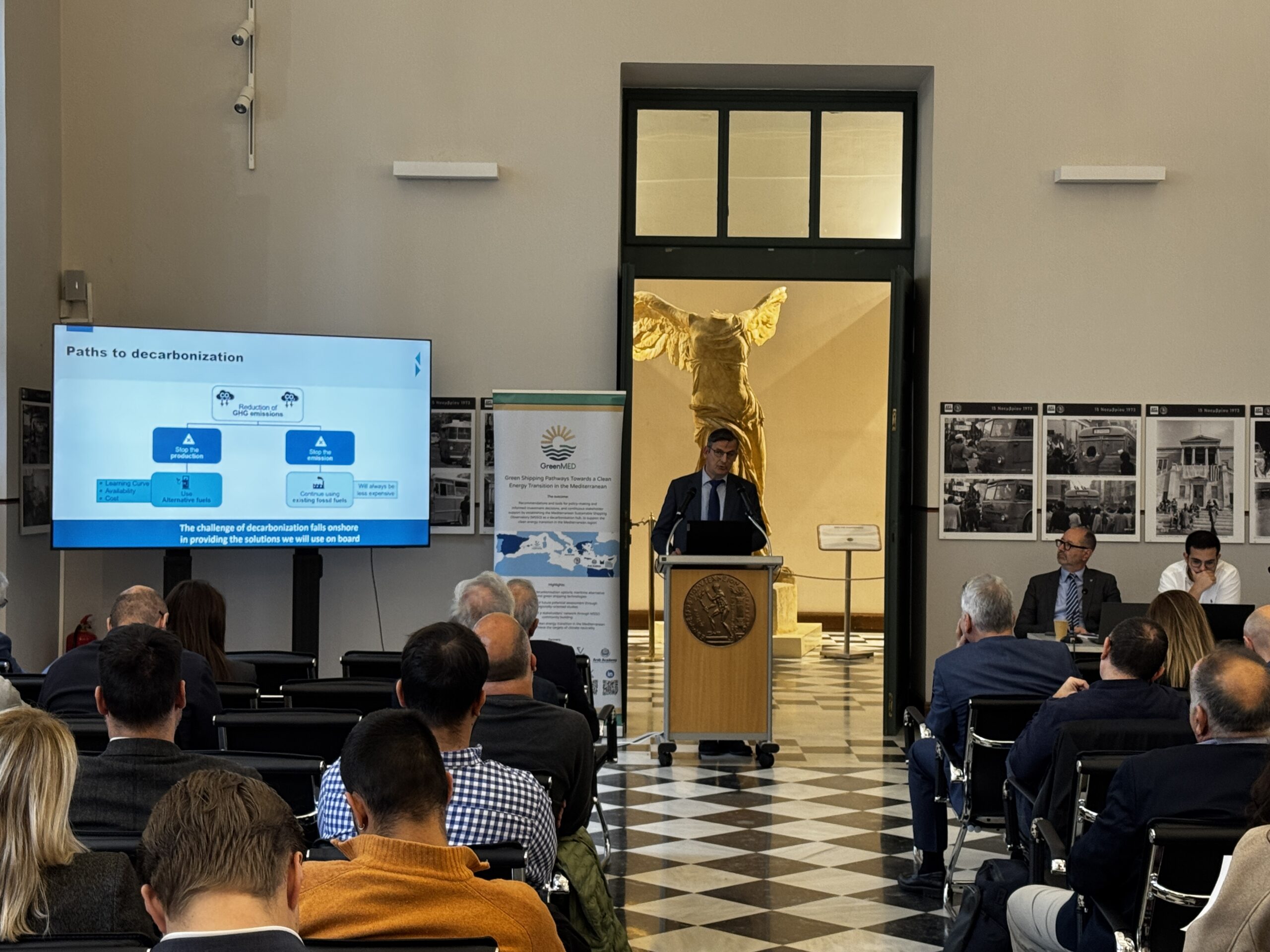
Session II shifted the focus to industry, the technology readiness and practical implementation barriers. Mr. Panos Kourkountis demonstrated the operational realities and trade-offs of adopting new fuels and propulsion technologies within diversified fleets, highlighting the main obstacles. Ms. Helena Athoussaki explained the difficulties and uncertainties towards sustainable maritime supply chains for low carbon fuels, while highlighting the necessity for resilience, financial viability and appropriate planning. Mr. Antonis Trakakis presented a detailed technical assessment of alternative fuels and onboard solutions, including ammonia, methanol, hydrogen, and carbon capture, emphasising energy-availability constraints and the necessity of pragmatic, transitional pathways. The session highlighted that no single technological option could serve all vessel types, reinforcing the need for flexible, segment-specific strategies.
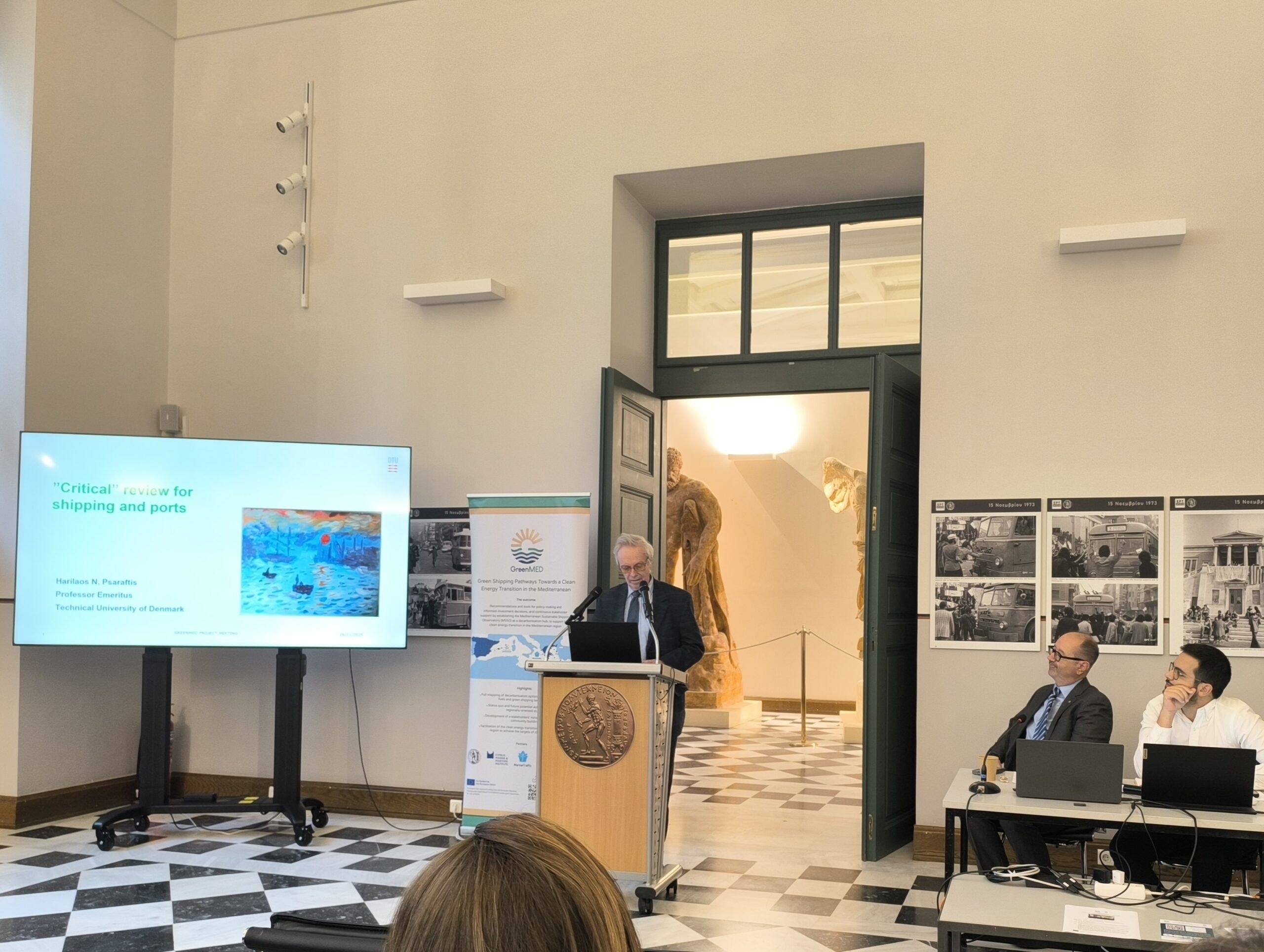
From a critical point of view, Prof. Harilaos N. Psaraftis analysed the derailment of the IMO Net-Zero Framework, the risks of carbon leakage under the EU ETS, and the complex effects of regulatory asymmetry on Mediterranean ports. His intervention stressed vigilance, transparency, and adaptive policy design to prevent unintended market distortions.
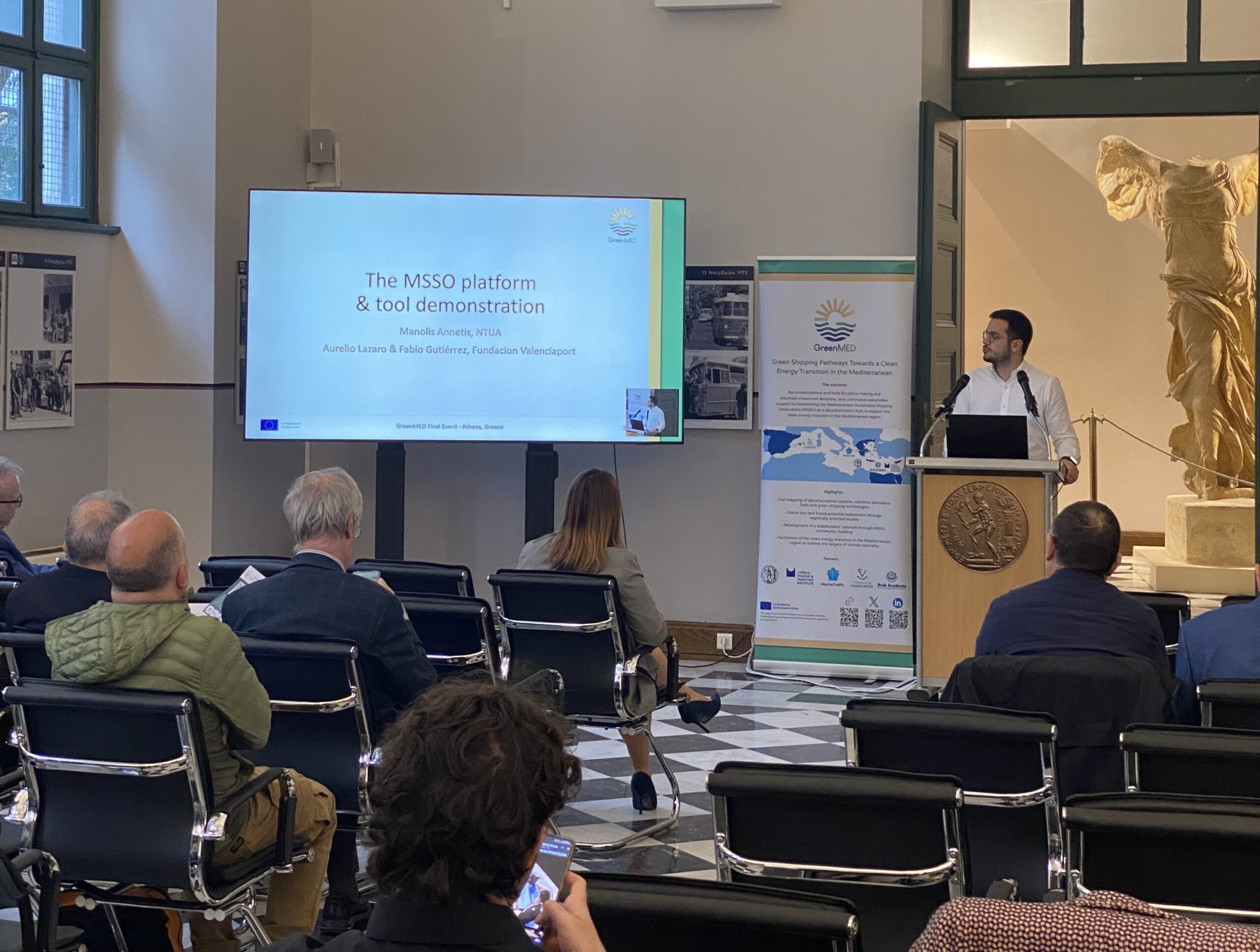
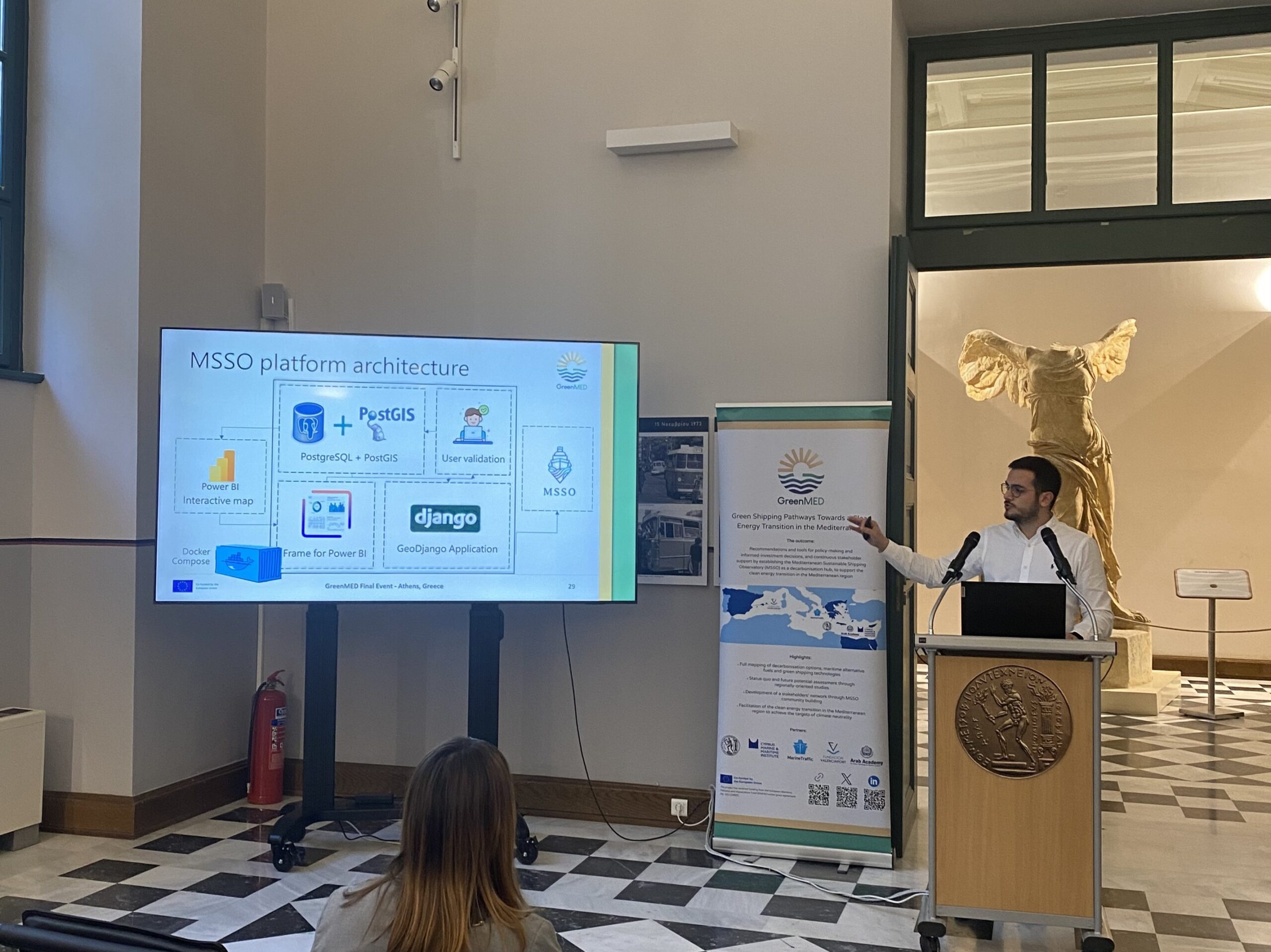
Following very productive discussions, in an attempt to bridge the gap between research, technology, industry and policy, the GreenMED team presented the MSSO platform, demonstrating its capacity to integrate fleet characteristics and fuel demand variations, ports and supply chain data, fuel pathways, regulatory scenarios, and techno-economic models. Its tools enable comparison of fuel demand and capacities, emissions, costs, and spatial deployment needs for ports and supply chains—supporting evidence-based decision making for ports, fuel providers, shipowners, and policy makers. Other projects were also presented to showcase the common efforts towards maritime decarbonisation across the Mediterranean and beyond; these were the projects BlueBARGE, CURRENT DIRECT, BLUE PORTS, GREENROUTES, NAVGREEN, POWER4MED, and GREEN MARINE MED.
Across sessions, presentations, and demonstrations, the event underscored a unified message: achieving maritime decarbonisation in the Mediterranean—and beyond—requires coordinated policy action, technological flexibility, port readiness, and robust analytical tools. Through its integrated methodology and the MSSO platform, GreenMED provides a foundational framework for steering this transition from high-level ambition to practical, implementable pathways. As such, GreenMED leaves behind a mature, scalable, and data-driven foundation that can continue supporting regional decarbonisation efforts beyond the project’s lifetime.